Stronger Pelvic Health & Wellness Starts Here
Gentle guidance on pelvic floor strength, body-friendly habits, and real-life results.Evidence-based. Easy to follow. Free to use.👉 Start With Pelvic Floor Exercises
👉 Learn About Nutrition & Weight Support.
Intermittent Fasting and Healthy Weight Awareness
Intermittent fasting is often talked about as a way to become more aware of eating habits rather than simply a method for losing weight. At its core, it encourages people to pay attention to when they eat, not just what they eat. For some, this structure can help reduce mindless snacking and create a more thoughtful relationship with food.
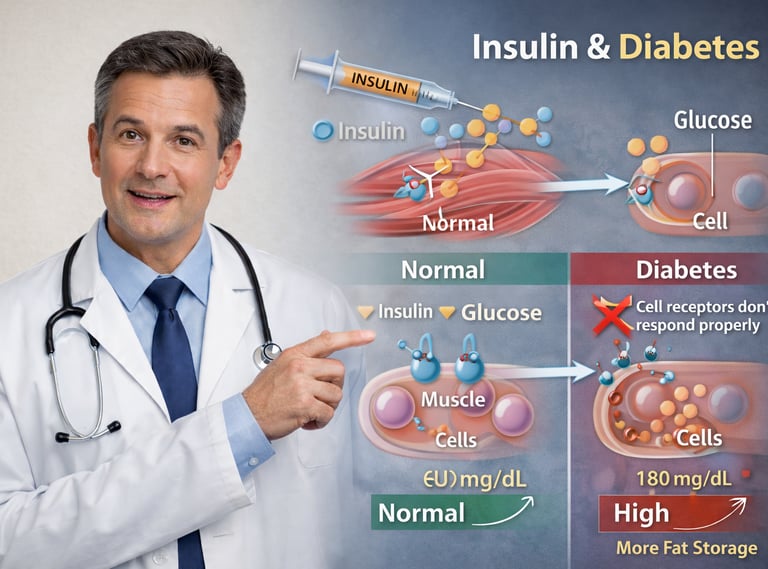
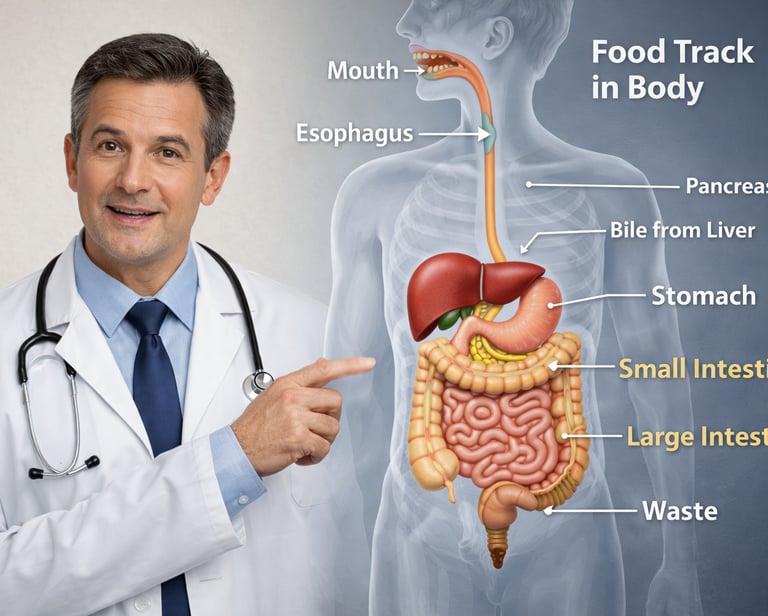
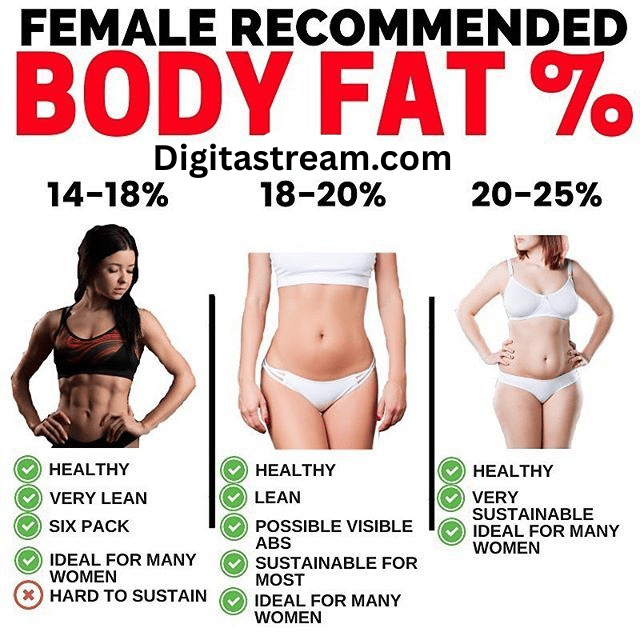

When practiced responsibly, intermittent fasting can support healthier choices by helping the body recognize natural hunger and fullness cues. Instead of constant eating throughout the day, meals become more intentional, often leading to better balance and appreciation for nutritious foods. This approach can also encourage patience and self-discipline, skills that are useful far beyond eating habits.
However, it’s important to remember that everyone’s body is different—especially during the teenage years, when bodies are still growing and changing. Health should always come before weight loss, and no eating pattern should cause stress, fatigue, or discomfort. Listening to your body, maintaining energy for school and activities, and getting proper nutrition are far more important than following trends.
Ultimately, healthy weight changes happen best when they are supported by balanced meals, regular movement, good sleep, and positive self-image. Intermittent fasting is just one topic in a much bigger conversation about wellness, and any changes to eating habits should be made with guidance from a parent, guardian, or healthcare professional.
Different Types of Intermittent Fasting
1. Time-Restricted Eating
This type focuses on eating within a certain time window each day and not eating outside of it.
People often describe it as having a daily eating period followed by a longer break from food. The idea is to create consistency in meal timing rather than changing food types.
Overnight Fasting
Overnight fasting simply extends the natural fasting period that happens during sleep.
It usually involves finishing dinner earlier and eating breakfast later the next day. Many people see this as the most gentle and natural form since the body is already resting.
Important Note (Especially for Teens
Not all fasting styles are appropriate for everyone. During the teenage years, the body and brain need regular nutrients to support growth, learning, and energy. Health, focus, and well-being should always come before following eating trends.
Different Types of Intermittent Fasting
1. Time-Restricted Eating
This type focuses on eating within a certain time window each day and not eating outside of it.
People often describe it as having a daily eating period followed by a longer break from food. The idea is to create consistency in meal timing rather than changing food types.
Overnight Fasting
Overnight fasting simply extends the natural fasting period that happens during sleep.
It usually involves finishing dinner earlier and eating breakfast later the next day. Many people see this as the most gentle and natural form since the body is already resting.
Important Note (Especially for Teens
Not all fasting styles are appropriate for everyone. During the teenage years, the body and brain need regular nutrients to support growth, learning, and energy. Health, focus, and well-being should always come before following eating trends.


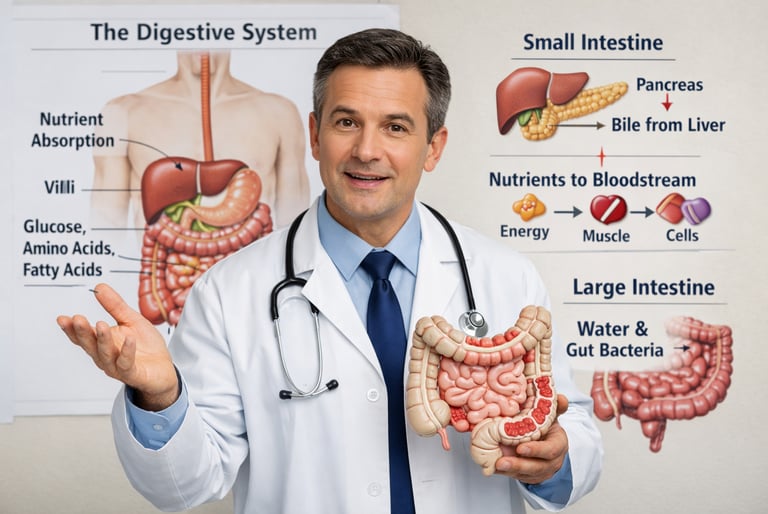

Fasting,Insulin and Diabetes Relationship...
Fasting
But how does this happen:
When we fast (go for a period of time without eating), the body doesn’t shut down—instead, it switches how it gets energy. This process happens in stages and is part of normal human biology.
Blood sugar and insulin decrease
After eating, the body uses glucose (sugar) from food for energy, and insulin helps move that glucose into cells.
When fasting begins and no new food comes in:
Blood sugar levels slowly drop
Insulin levels decrease
This signals the body to stop storing energy and start using stored fuel.The body uses stored energy (glycogen)The liver stores glucose in a form called glycogen.
During early fasting:Glycogen is broken down into glucose
This keeps the brain and muscles supplied with energy
These stores are limited, so the body eventually looks for another source.Fat is used for energyOnce glycogen stores are lower, the body starts breaking down stored fat into fatty acids for fuel.
Some of these fats are turned into ketones, which the brain and other organs can use for energy. This is a normal survival mechanism that humans evolved over thousands of years.. Hormones adjustSeveral hormones change during fasting:
Insulin decreases (less energy storage)
Glucagon increases (releases stored energy)
Growth hormone increases, helping protect muscle tissue and support repair
These shifts help the body adapt to having no incoming food for a while.Cellular cleanup and efficiencyDuring fasting, the body may increase a process called autophagy, where cells recycle old or damaged parts. This helps cells work more efficiently and supports overall maintenance of the bodyEnergy and focus can change
Some people notice changes in energy or concentration during fasting. This happens because the body is adjusting its fuel source and hormone levels. These effects vary widely depending on age, health, sleep, and nutrition.
Important reminder (especially for teens)
Fasting affects growing bodies differently than adult bodies. Teens need consistent nutrients for growth, brain development, and daily energy. Any changes to eating patterns should prioritize health, balance, and well-being, and should involve a trusted adult or healthcare professional.
What Happens in the Body During Fasting (Diagram in Words)
[Eating]
→ Food enters the body
→ Glucose (sugar) enters the blood
→ Insulin rises
→ Cells use glucose for energy
→ Extra energy is stored as glycogen and fat
Fasting Begins]
→ No new food enters the body
→ Blood sugar slowly drops
→ Insulin levels decrease
→ The body receives a signal to stop storing energy
Stored Energy Is Used]
→ Liver breaks down glycogen
→ Glycogen → glucose
→ Glucose supplies the brain and muscles
[Glycogen Runs Low]
→ Stored glycogen decreases
→ Body looks for another fuel source
→ Fat cells release fatty acids
Fat Becomes Fuel]
→ Fatty acids are used for energy
→ Some fatty acids → ketones
→ Ketones help fuel the brain and organs
[Hormonal Adjustments]
→ Insulin stays low
→ Glucagon increases (releases stored energy)
→ Growth hormone increases (helps protect muscle)
Cell Maintenance]
→ Cells recycle old or damaged parts
→ Efficiency improves
→ Body focuses on repair and balance
Key Point
This process is a natural survival system, but everyone’s body responds differently. Especially for teens, regular nutrition is important for growth and daily energy, so fasting should never interfere with health, focus, or well-being.
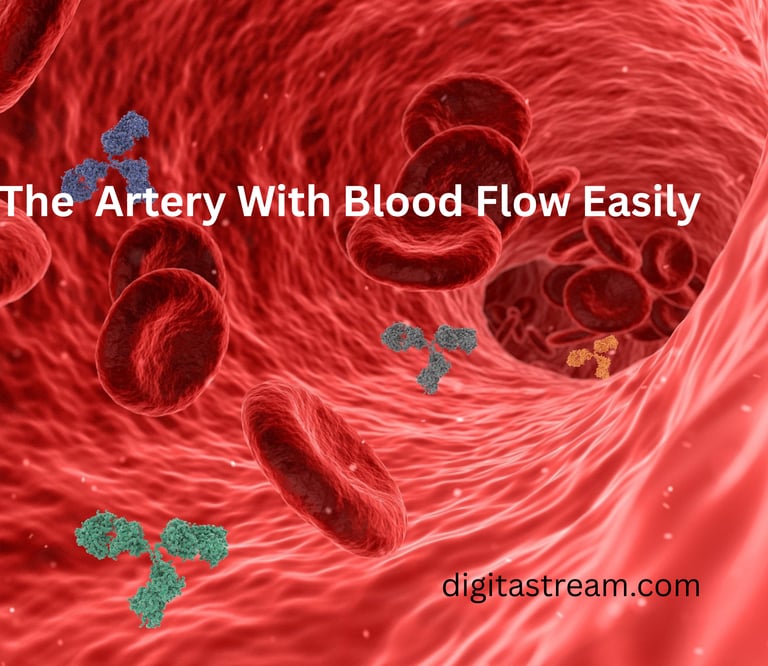
Healthy arteries ensure efficient blood flow throughout the body.They deliver oxygen and nutrients to organs and tissues while removing waste.Healthy arteries are flexible and elastic,allowing smooth blood transport without resistance .This supports overall energy levels and prevents issues like fatigue or cramps from poor circulation.The supply vital oxygen-rich blood to the heart,brain,and muscles,maintaining organ function and aiding repair processes.Without this,risks like heart attacks or strokes rise due to blockages.
Fasting keep your arteries clean from plaque build-up by burning these fats as energy.
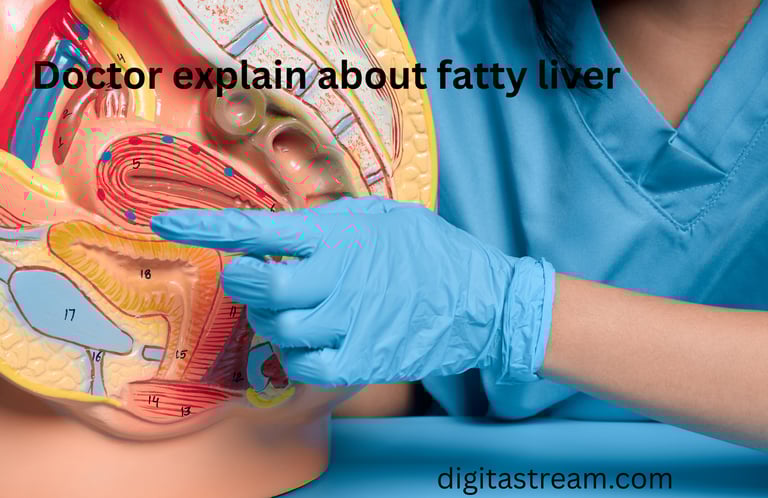
Fatty Liver
How the Liver Becomes Fatty
Fatty liver develops when the body receives more energy than it can use. Excess sugar, refined carbohydrates, or alcohol raise insulin levels, pushing the body into fat-storage mode. When other tissues are full, the liver converts extra sugar into fat.
Over time, this fat builds up inside liver cells faster than it can be exported or burned. As fat accumulates, the liver becomes insulin-resistant, causing it to keep producing both glucose and fat—worsening the problem.
Alcohol and fructose accelerate this process because they are processed directly by the liver and strongly promote fat production.
The good news: fatty liver is often reversible. Fasting will lower insulin levels, and allowing the liver time to rest can significantly reduce liver fat.At the same time you can do some physical activities.
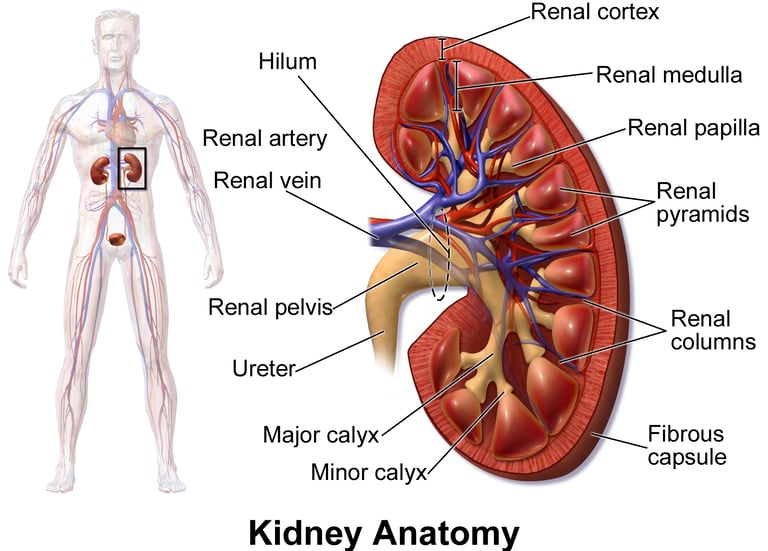

The Role of The KIDNEYS
What the kidneys do
The kidneys are paired, bean-shaped organs located near the lower back on each side of the spine.
They perform several vital roles, including:
Filtering blood to remove waste and form urine.
Regulating fluid and electrolyte balance.
Controlling blood pressure and pH balance.
Producing hormones such as erythropoietin (for red blood cell production) and active vitamin D.
HIGH INSULIN LEVEL CAN IMPAIRED WITH REGULATING FLUID AND ELECTROLYTE BALANCE,HENCE WILL GIVE YOU HIGHBLOOD PRESSURE .Fasting make your insulin low.
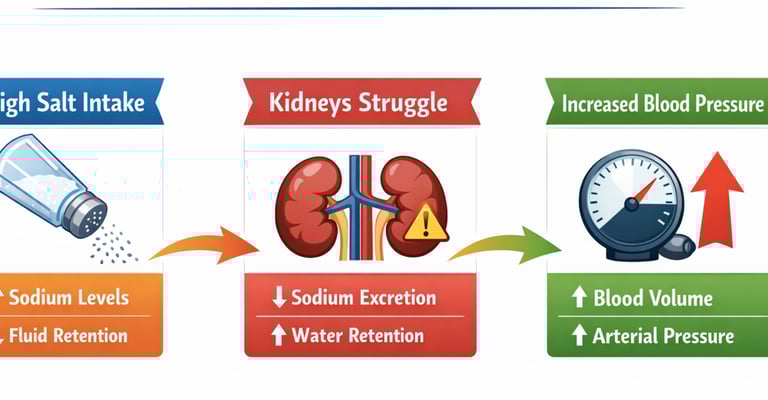
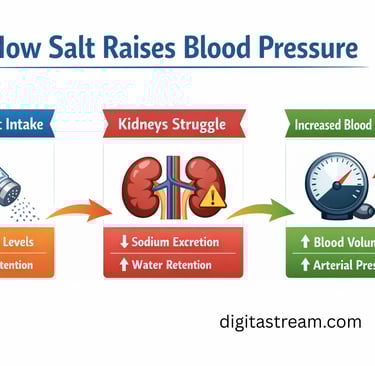
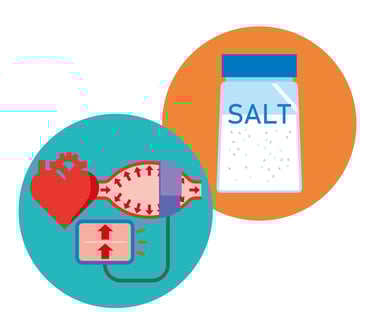
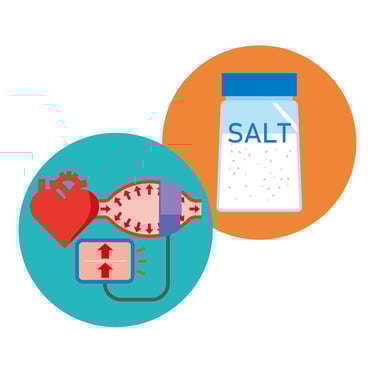
Salt(sodium) affects blood pressure mainly by fluid retention.
Sodium pulls water into the bloodstream
More sodium → more water retained → higher blood volume.Higher blood volume = higher pressure
Extra fluid increases pressure against artery walls, raising blood pressure.Kidneys play the key role
Healthy kidneys excrete excess sodium.
If they don’t (due to genetics, insulin resistance, age, or kidney disease), sodium accumulates → pressure rises.THE BOTTOM LINE IS AGAIN HIGH INSULIN MAKE WATER RETENTION ,THUS MAKE BLOOD PRESSURE RAISE UP.
Fasting / Metabolic Health Section


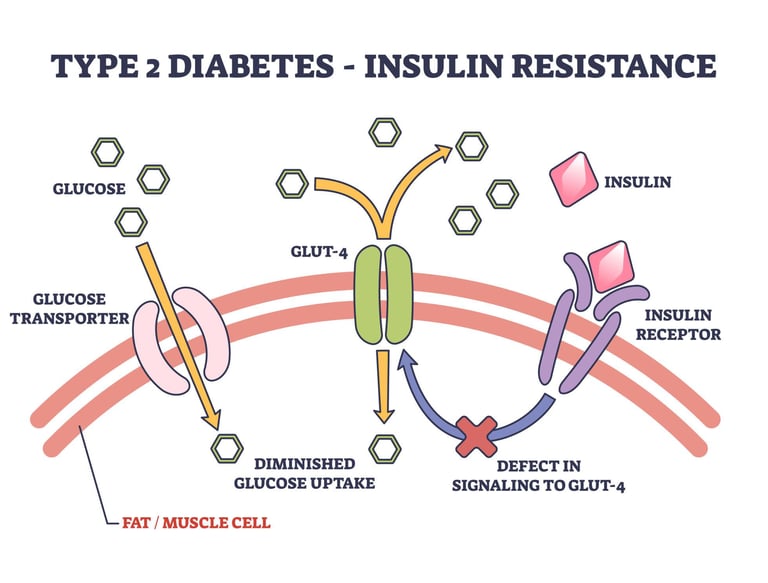
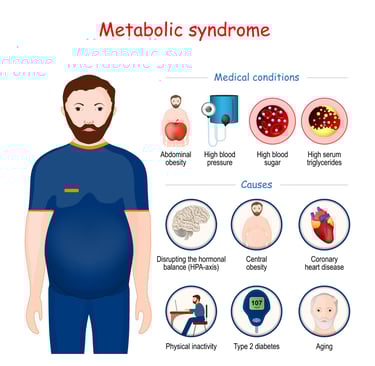
This topic is primarily about:
Insulin
Insulin resistance
Sodium retention
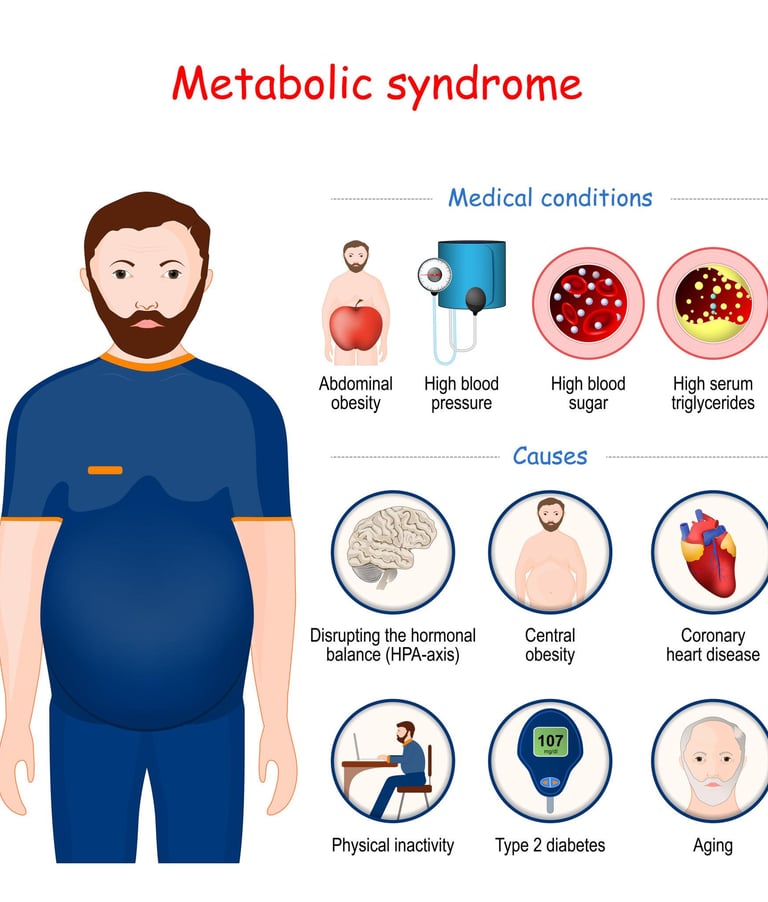
Metabolic syndrome
Blood pressure
All of these are metabolic health issues.
Since fasting directly affects:
Insulin levels
Insulin sensitivity
Blood pressure
👉 It fits naturally in your fasting category.
“How Insulin Makes Salt More Dangerous for Your Blood Pressure”
High blood pressure is often blamed on salt alone.
While sodium plays a major role, another important factor is frequently overlooked: insulin.
Understanding how insulin interacts with salt can help explain why many people with metabolic problems also develop hypertension.
Salt contains sodium. When sodium intake is high:
The kidneys retain more sodium
The body holds more water to dilute it
Blood volume increases
Blood pressure rises
This mechanism is well established and explains why reducing salt intake lowers blood pressure in many individuals.
However, sodium retention is not controlled by salt alone.
Insulin: More Than a Blood Sugar Hormone
Insulin is a hormone produced by the pancreas. Its primary role is to regulate blood glucose levels by allowing sugar to enter the cells.
But insulin also has important effects on:
Kidney sodium handling
Fluid balance
Blood vessel tone
Sympathetic nervous system activity
This is where the connection to blood pressure begins.
How Insulin Increases Sodium Retention
When insulin levels rise (for example after a high-carbohydrate meal):
The kidneys are stimulated to reabsorb more sodium
Less sodium is excreted in urine
Water retention increases
Blood volume rises
In individuals with normal insulin sensitivity, this effect is usually controlled.
However, in people with insulin resistance, the situation changes.
4. Insulin Resistance and Chronic High Blood Pressure
nsulin resistance occurs when cells no longer respond properly to insulin.
To compensate, the body produces higher amounts of insulin (hyperinsulinemia).
Persistently elevated insulin levels can:
Increase kidney sodium retention
Stimulate the sympathetic nervous system
Promote blood vessel constriction
Contribute to arterial stiffness
his explains why high blood pressure is commonly associated with:
Type 2 diabetes
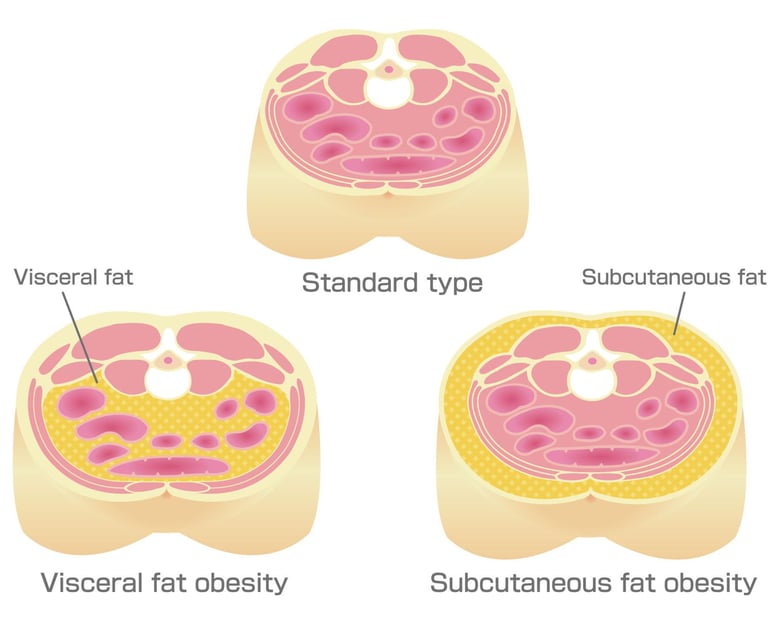
Abdominal obesity
Metabolic syndrome
In many cases, hypertension is not just a “salt problem” — it is a metabolic problem.
Where Fasting Fits Into the Equation
Intermittent fasting and metabolic interventions may help by:
Lowering insulin levels
Improving insulin sensitivity
Reducing sodium retention
Supporting weight loss
Decreasing sympathetic overactivity
By addressing insulin resistance, fasting may indirectly improve blood pressure regulation.
This does not replacemedical treatment but can complement a physician-guided approach.
The Bigger Picture
High blood pressure often results from multiple interacting factors:
Excess salt intake
High refined carbohydrate consumption
Insulin resistance
Obesity
Sedentary lifestyle
Reducing salt alone may not be sufficient if underlying metabolic dysfunction is not addressed.
Managing insulin health is equally important.
Conclusion
Salt increases blood pressure by raising blood volume.
Insulin can amplify this effect by promoting sodium retention and vascular constriction — particularly in individuals with insulin resistance.
For long-term cardiovascular health, attention should be given not only to sodium intake but also to metabolic health and insulin regulation.
Understanding this connection empowers individuals to take a more comprehensive approach to blood pressure management.
FAQs
Who can use this site?
Anyone facing pelvic issues, erectile dysfunction, or weight challenges can benefit here.
Is this a medical service?
No, digitastream provides educational content and resources, not direct medical treatment.
How can I support this website?
You can donate using the button on the site to help keep this resource free and accessible.
Is my donation secure?
Yes, we use trusted payment methods to ensure your donation is safe.
Are the tips scientifically backed?
We base our advice on reputable studies and expert recommendations.
Can I share this site with others?
Absolutely! Sharing helps others who might benefit from the information and support here.