Support Your Health Journey
Helping you manage pelvic health and weight challenges with care
Helping those facing pelvic issues and weight struggles with care.Many people sometime have both issues but,remember that you are not alone!Pelvic floor problems-such as incontinence,pelvic pain,or weakness can make daily life more difficult,but they are treatable with right approach.Similarly,losing weight can be challenging.The good news is that small,consistent steps can make a big difference.
Our Mission
Providing free, easy-to-understand info to support your health journey.Starting with gentle exercises like kegels,pelvic tilts,or walking can help strengthen the pelvic floor and support the overwhole health.Eating balance meals,stay hydrated,and seeking support from healthcare professionals or support groups can also help with both pelvic health and weight managemrnt, but at DigitaStream we will go beyond that to help you make it a reality!


👉 “Daily life can become harder with pelvic weakness, but targeted care and consistent steps make a real difference.”
Follow the anvice and tips! and you will loose that excess of pound as above!
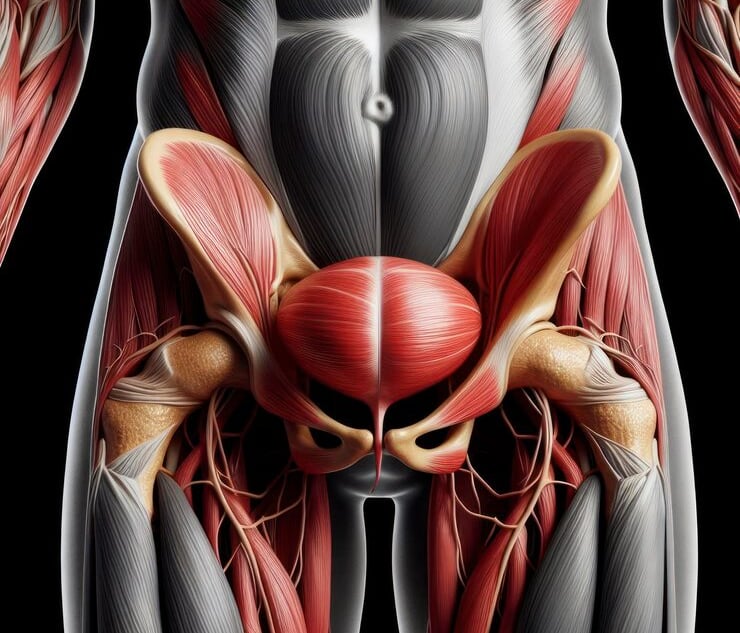
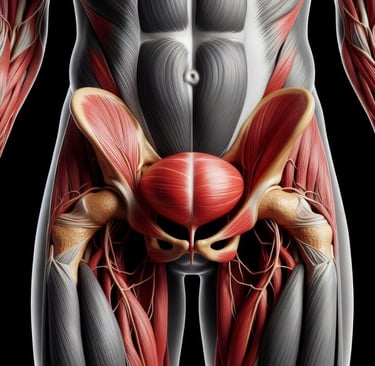
The Pelvic Floor Muscle Can Be Very Painful When It Is Weak
The pelvic floor is a group of muscles that supports your bladder, bowel, and— in women—the uterus. When these muscles are strong and well-coordinated, they work quietly in the background. But when the pelvic floor becomes weak, it can lead to pain and discomfort that many people don’t immediately connect to muscle dysfunction.
A weak pelvic floor can cause muscle strain, poor support of the pelvic organs, and increased pressure on surrounding tissues. This may result in pelvic pain, lower back discomfort, pain during movement, or even pain during intimacy. In some cases, weakness can also coexist with muscle tension, making the pain feel constant or hard to explain.
The good news is that pelvic floor pain related to weakness is often manageable and reversible. Targeted exercises, proper breathing, posture awareness, and guided rehabilitation can restore strength and coordination over time.
Understanding your pelvic floor is the first step toward reducing pain and improving daily comfort—your body is designed to heal when given the right support.


What Really Happens When You Eat: The Truth About Insulin and Fat Burning
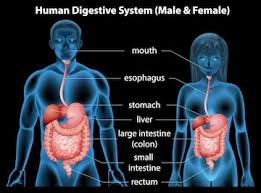
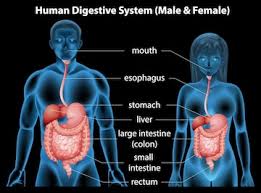
The moment you put food in your mouth, digestion begins.
Saliva mixes with the food, and your teeth break it down into smaller particles. This is the first step in a highly coordinated process that allows your body to extract energy and nutrients.
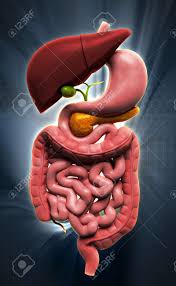
After swallowing, food travels down the esophagus and enters the stomach, where it is mixed and partially broken down. However, most carbohydrate digestion and absorption happen later — in the small intestine.
How Glucose Enters the Bloodstream
When you eat carbohydrates, they are broken down into glucose (sugar). This glucose passes through the wall of the small intestine and enters your bloodstream.As blood sugar rises, your pancreas responds by releasing a hormone called insulin.
Insulin plays a critical role in your metabolism. Think of it as a key that unlocks your cells, allowing glucose to move from the bloodstream into the cells where it can be used for energy.
Without insulin, glucose would remain in the blood at dangerously high levels.
What Happens to Excess Sugar?
Your body uses what it needs for immediate energy.
If there is extra glucose:
It is stored in the muscles as glycogen.
It is stored in the liver as glycogen.
When storage capacity is full, the excess is converted into fat.
This process is normal and protective. Insulin is not harmful — it is essential for survival. The issue arises when insulin levels remain elevated for long periods due to frequent eating, excessive refined carbohydrates, or metabolic imbalance.
When Does the Body Burn Fat?
Fat burning begins when insulin levels drop.
If you stop eating for several hours, blood sugar gradually decreases. As insulin falls, your body switches fuel sources:
Stored glycogen is used first.
Once glycogen stores decrease, the body begins breaking down stored fat.
Fat is converted into energy.
This metabolic switch is how weight loss and fat burning occur.
The Key to Metabolic Health
our body is designed to maintain balance.
It can use both sugar and fat as fuel — but it cannot efficiently burn fat when insulin levels are constantly high.
Metabolic flexibility — the ability to switch between sugar and fat — is essential for good health.
Balanced eating patterns, controlled carbohydrate intake, and allowing periods where insulin can fall naturally may support better fat utilization and long-term metabolic health.
What We Eat Matter,But When We Eat Matter most!

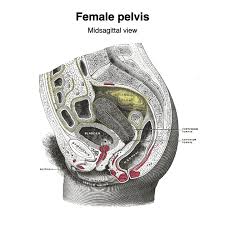
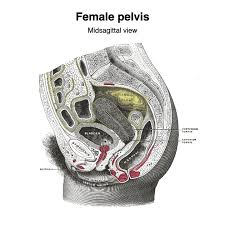
Female Pelvic Floor Muscle
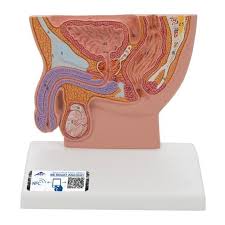
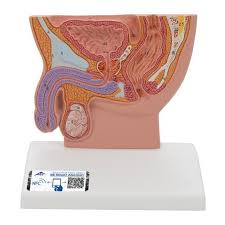
Male Pelvic Floor Muscle
The Pelvic Floor Muscle: The Hidden Key to Strong Erections and Male Sexual Health
Many men today rely on pills, testosterone boosters, and herbal supplements to improve sexual performance.
But what if the real issue isn’t low testosterone…
What if the foundation is weak?
What Is the Pelvic Floor Muscle?
The pelvic floor is a group of muscles located at the base of the pelvis. In men, these muscles stretch like a hammock from the pubic bone (front) to the tailbone (back).
The key muscles involved in male sexual function include:
Bulbocavernosus muscle
Ischiocavernosus muscle
Levator ani group
These muscles support:
The bladder
The bowel
The prostate
The penis
They are not just support muscles — they are performance muscles.
How the Pelvic Floor Works During an Erection
An erection is not only about blood flow. It is also about blood trapping.
When sexual arousal begins:
Blood flows into the penis.
The pelvic floor muscles contract.
These contractions compress the veins.
Blood is trapped inside the penis.
The erection becomes firm and sustained.
The bulbocavernosus and ischiocavernosus muscles are essential for maintaining rigidity.
If these muscles are weak:
Blood escapes too quickly.
Erections are soft.
Erections do not last long.
Ejaculatory control may be reduced.
This is called a veno-occlusive dysfunction in some cases — and it can be muscular, not hormonal.
Other Muscles That Play a Role in Male Sexuality
Sexual performance also depends on surrounding muscle groups:
1. Core Muscles (Transverse Abdominis)
Stabilize the pelvis
Improve endurance
Help pelvic muscle coordination
2. Gluteal Muscles
Provide pelvic stability
Improve thrust power and stamina
3. Hip Flexors
Important for movement control
Influence pelvic alignment
Weak core and hip muscles can reduce pelvic floor efficiency.
Why Pills Are Not Always the Solution
Many men immediately turn to:
Testosterone boosters
Herbal supplements
PDE5 inhibitors (like Viagra-type medications)
While medications can increase blood flow, they do not strengthen the muscles responsible for trapping blood.
If the pelvic floor is weak, the underlying mechanical problem remains.
In many younger men especially, erectile dysfunction is often muscular or stress-related — not hormonal.
The Natural Solution: Pelvic Floor Training
Pelvic floor exercises (Kegel exercises for men) can:
Improve erection firmness
Increase endurance
Improve ejaculatory control
Enhance orgasm intensity
Reduce performance anxiety
Clinical studies have shown that structured pelvic floor training can significantly improve erectile function.
How to Start: KEGEL exercise first.
Identify the muscle (the one you use to stop urine).
Contract for 5 seconds.
Relax for 5 seconds.
Repeat 10–15 times.
Perform 2–3 times daily.
Consistency for 8–12 weeks is usually needed for results.
Final Message
Before turning to lifelong pills or expensive supplements, consider strengthening your foundation.
A strong pelvic floor:
Supports circulation
Supports control
Supports confidence
Sexual health is not just hormonal — it is muscular, neurological, and psychological.
Sometimes, the solution is not in a pill…
It’s in training your body correctly
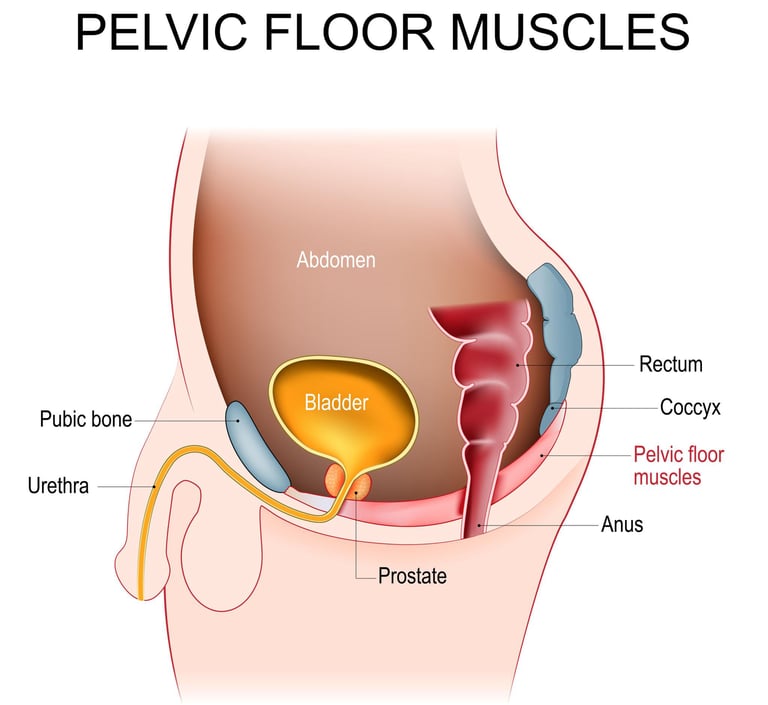
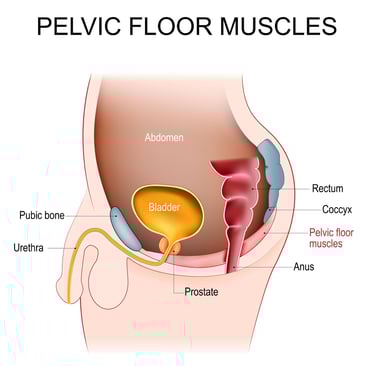
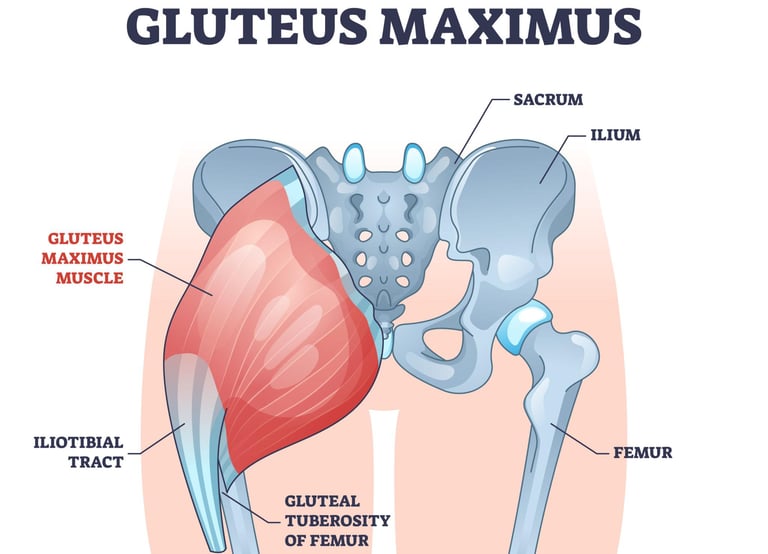
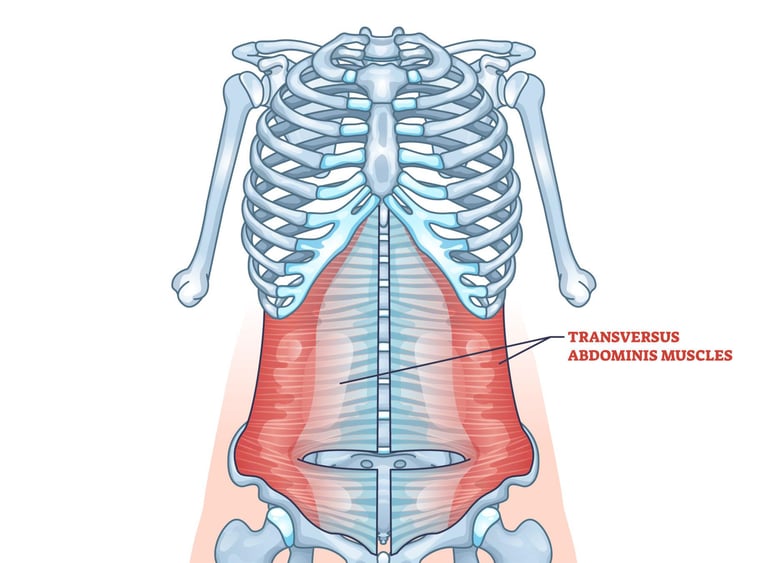
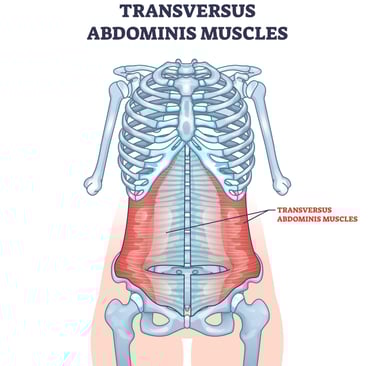
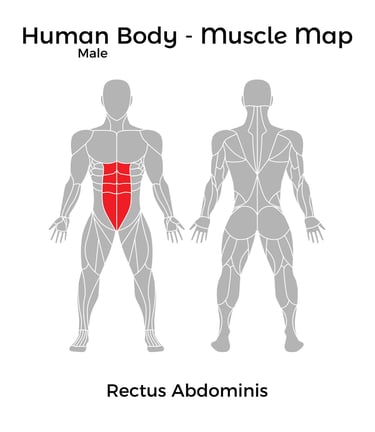
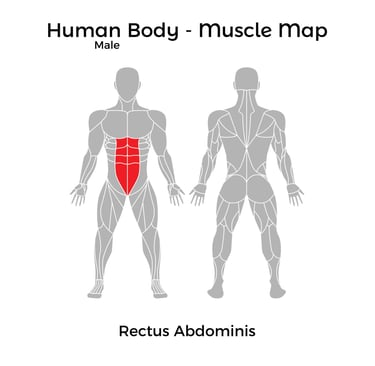
Before starting with strengthening the Pelvic Floor muscle we have to locate the correct muscle first.We start with Kegel exercise first to locate the proper muscle ,then we move to Pelvic..
Pelvic Floor Support
— What it is, common symptoms, how your exercises help
Weight & Metabolic Health
— How balanced eating, glucose understanding, and mindful movement support overall health


Our Help
Support for pelvic health and weight challenges.
Erectile Care
Guidance and tips for managing erectile dysfunction.Erectile dysfunction also known as impotence,is a common condition in men characterized by the persistent or recurring inability to achieve or maintain a penile erection sufficient for satisfactory sexual activity.It's prevalence increases with aging and is often linked with poor blood flow.Sometime with a good breathing management one can help improving blood flow to their genital and the whole body.Breathing by the nose is more helpful than breathing by mouth,as when we breath by the nose Nitric Oxide is release in our body which in terms relaxes our blood vessels and let blood flow easily.


Pelvic Health
Pelvic floor muscle exercises are effective in treating men with erectile dysfunction, and should be the first-line approach to treat the problem. They may be used in conjunction with other treatments for erectile dysfunction.With the right approach one can easily overcome the issue of ED.
Simple steps to support healthy weight loss journeys.
Weight Loss




Voices
Real stories from those we've helped
Digitastream gave me clear guidance when I struggled with pelvic issues. The advice felt personal and hopeful.
Mark L.


Austin TX
Thanks to Digitastream, I found practical tips that helped me lose weight steadily without feeling overwhelmed.


Sara M.
Denver CO